
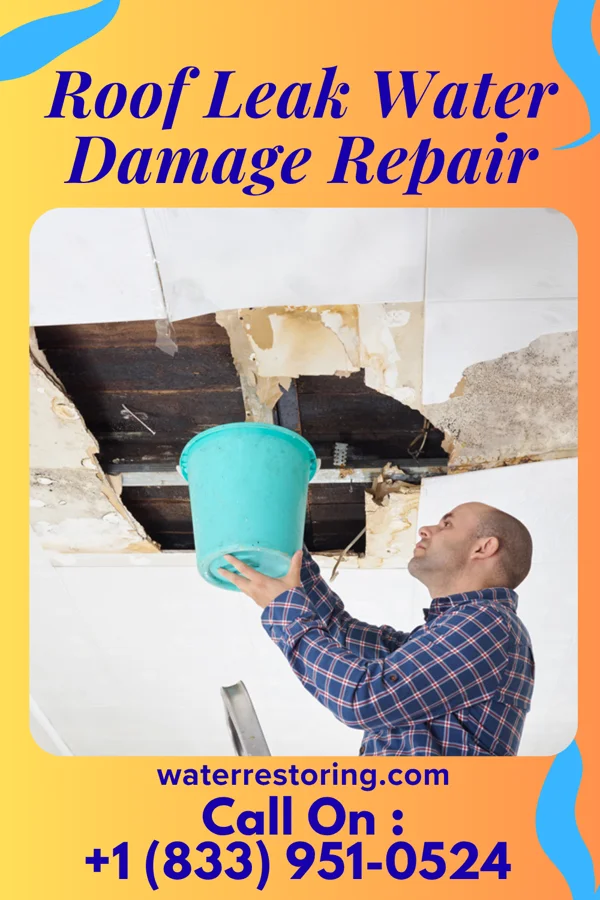
Chimney Hill Storm Roof Leak Drivers
Water damage in Chimney Hill tends to cluster in predictable windows because of the local climate. Chimney Hill, Vermont experiences frequent spring and fall storms, which can lead to sudden heavy rainfall and strong winds. These conditions often result in roof leaks, especially around chimneys and roof edges, due to the area's steep terrain and unpredictable weather patterns. A close second is The region is also prone to late spring snow melt, which can cause water to pool on roofs and seep through damaged shingles. This is compounded by the presence of nearby rivers and streams, increasing the risk of water intrusion during heavy precipitation..
The combination of heavy rainfall, strong winds, and cold temperatures in Chimney Hill can cause significant roof damage, including shingle lifting, flashing failure, and ice dam formation. These issues are common in the area's rural and historic homes.
The combination of heavy rainfall, strong winds, and cold temperatures in Chimney Hill can cause significant roof damage, including shingle lifting, flashing failure, and ice dam formation. These issues are common in the area's rural and historic homes. The dominant local driver is Chimney Hill, Vermont experiences frequent spring and fall storms, which can lead to sudden heavy rainfall and strong winds. These conditions often result in roof leaks, especially around chimneys and roof edges, due to the area's steep terrain and unpredictable weather patterns., with The region is also prone to late spring snow melt, which can cause water to pool on roofs and seep through damaged shingles. This is compounded by the presence of nearby rivers and streams, increasing the risk of water intrusion during heavy precipitation. showing up as the next most common cause. Damage builds in stages. Spread. Absorption. Microbial growth. Structural compromise. Every stage you pass through adds to the final bill.
For public guidance on the health effects of mold after prolonged water exposure, see the EPA mold and health page.